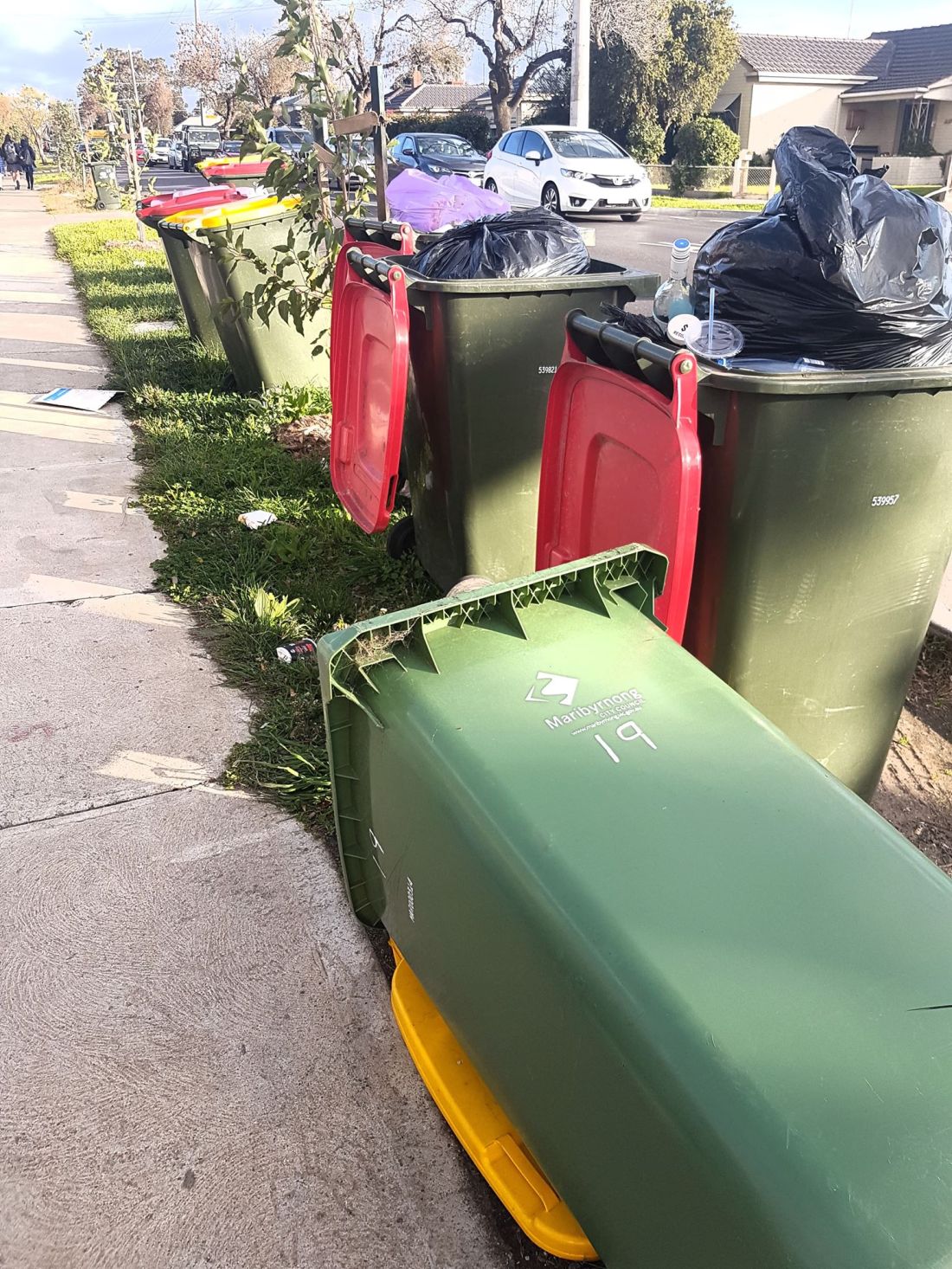
Today I am writing about something that often occupies my mind: waste. Waste is a word that encompasses so many things. A beloved item, clothing out of style or a mouth-watering meal from the week before can with the passing of time turn to waste in our minds. I say in our minds because waste, more than anything, is a state of mind and a highly individual framing. Waste, in all its forms, could therefore be understood as that which we no longer desire to be in the presence of. This goes for broken items and spoiled foods, but it also encompasses a lot of fully functional but for some reason undesirable items. When no longer desired, such items become unwanted, an eyesore and are classified as waste, followed by attempts to do away with it. Rubbish is therefore often hidden away under kitchen counters, the sights and smells restricted by bin lids, and as soon as possible we seek to remove it from our living quarters to the large bins at the back of the house. After it has been picked up and taken away, it is out of sight and out of mind. When possible, we like to send it to a country far, far, away, cram it into stockpiles or dig it down in landfills. Waste out of sight allows us to forget about it and it permits us to continue to produce and consume more items.
I am not necessarily leading up to a solution here but instead I am emphasising what I see as a major issue: that we are out of touch with our rubbish. As we place it in the bin, we could think about whether we could give it another life, whether it could be repurposed or anyone else would find value in it. Yet, even this is to undershoot. Instead, that thought should better come to us in the moment that we purchase something. Buying an item, or even accepting it for free, do we consider the lifespan of it and could we consider getting a second-hand item instead? I reckon that it is way too easy to wink at the fact that a now so desirable item, one day will seem redundant to us and will end up as waste.
Last week we could read about Liz and Brian, a Melbourne couple who put their rubbish bin out for the first time in a year. To clarify, this consisted of only one bin of landfill waste that they had collected over 12 months. So, how was this achieved? By reusing, recycling and repurposing as much as possible. They also try to reduce waste by avoiding purchasing items such as vegetable in plastic packages. In other words, they have managed to reduce their contribution to landfill through conscious buying, reusing and disposal. When possible, they give items a second life. As the couple themselves recognise, this is a time-consuming task and not achievable for everyone. Yet, we could all reduce our landfill by applying these same principles.
Although not an anticipated alternative per se, if we were forced to look at the waste we generate, perhaps to sleep next to it at night, to display it openly in the front yard or as a mountain in the centre of town, would that change our relation to consumption and waste? What if the council ceased all waste collection for a year? Would visual and other sensory confrontation with waste change our relationship to it? And could it also shift our relationship to our accumulation of possessions and the objects of our desire? As it is now, it is way too easy to drop something in the bin and forget that it ever existed. I know, because forgetting is often what I try to do.
What do or could you do to reduce your landfill contribution?
 Atmospheres of Change